







Search Results for: fixing over-extraction
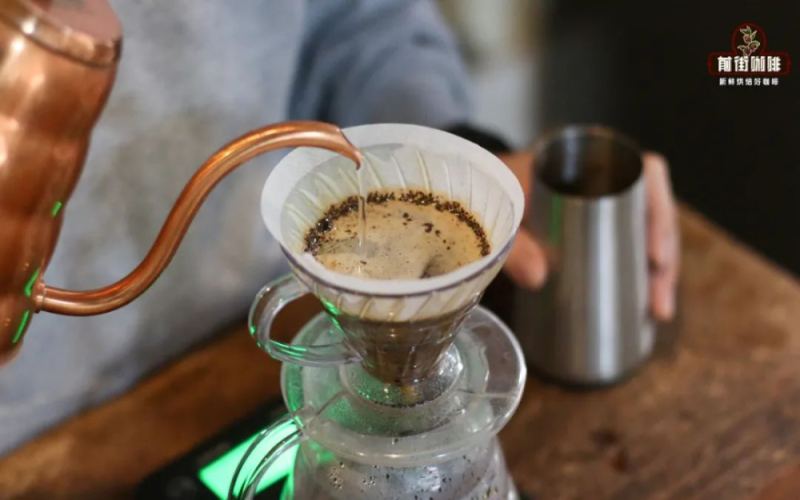
Why Does Pour-Over Coffee Frequently Turn Out Burnt, Harsh, and Bitter? An In-Depth Analysis of Over-Extraction and How to Fix It
Many coffee enthusiasts have encountered this frustration during pour-over brewing: even though the beans are of decent quality, the resulting coffee carries an unpleasant burnt or muddled bitterness. This flavor is often attributed to "over-extraction," but what exactly is the mechanism behind it? This article will systematically break down the science of over-extraction, analyze the various parameter factors that lead to excessively high extraction efficiency, and share Front Street Coffee's experience in building brewing recipes—specifically how choosing high-tolerance parameters can help avoid undesirable flavors—so you can more confidently brew a clean and delicious pour-over coffee. [more…]
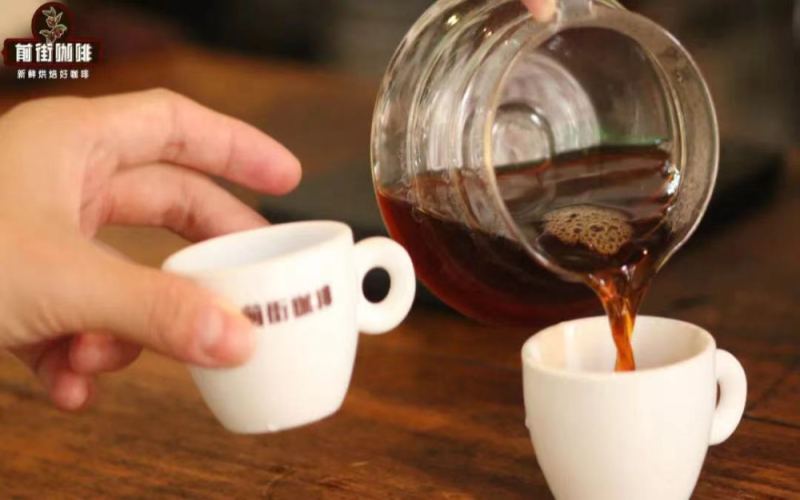
What Is Over-Extraction in Pour-Over Coffee? Taste Signs, Causes, and Practical Fixes
Pour-over coffee tasting bitter and astringent, hard to swallow—most likely the culprit is over-extraction. What exactly is over-extraction? What unpleasant flavors does it bring to coffee? And how do you identify and adjust for it? Drawing on Front Street Coffee's brewing experience, this article systematically breaks down the taste characteristics of over-extraction and its two main causes—water temperature that's too high and grinding that's too fine—and offers grinding and water temperature recommendations for different roast levels, while also sharing practical parameters such as coffee-to-water ratio and extraction time. Master these key points, and you can bring pour-over coffee back to balance and complexity, and enjoy a comfortable cup of good coffee. [more…]
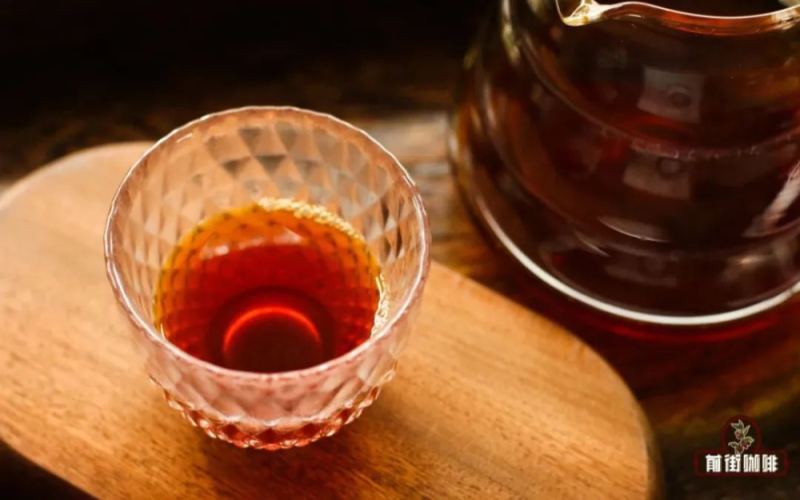
Judging Pour-Over Coffee Extraction from Taste Cues: Causes and Fixes for Over-Extraction and Under-Extraction
Brewing a delicious pour-over coffee comes down to avoiding the two extremes of over-extraction and under-extraction. Starting from taste perception, this article systematically sorts out the dissolution order of the sour, sweet, and bitter substances in coffee, helping you understand why under-extracted coffee tastes sharply sour, astringent, or even salty, while over-extracted coffee carries off-flavors of bitterness, astringency, and wood. The article also analyzes common triggers such as grind size, water temperature, brew time, and water volume, and combines Front Street Coffee's bean recommendations and real-world cases to offer practical adjustment ideas, so that every brew is more assured. [more…]
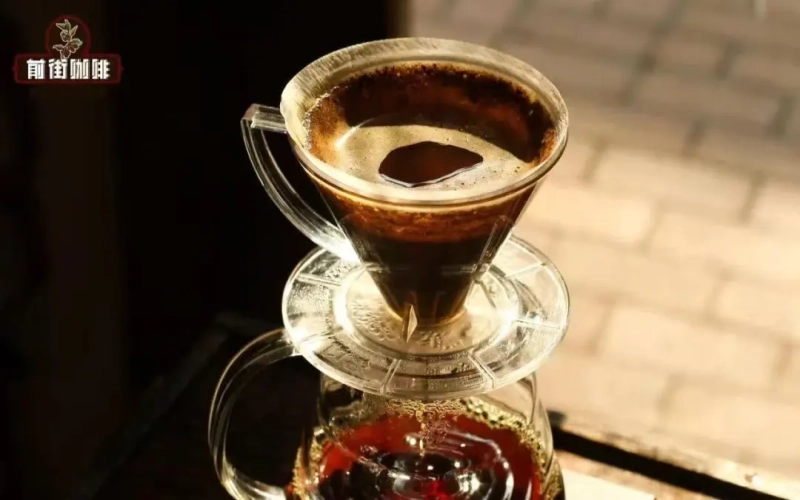
How to Fix Slow Drawdown in Pour-Over Coffee? A Full Analysis of the Three Major Factors: Fines, Agitation, and Bean Density
When brewing pour-over coffee, water failing to drain through the dripper is a problem many enthusiasts encounter. The causes of clogging are not singular—too many fines, overly vigorous agitation, and high bean density can all slow the flow. This article starts from these three common factors, analyzing each cause one by one and offering corresponding ways to improve them—including coarser grinding with a slower extraction, using a sifter, and adjusting pouring technique. At the same time, it will explain that clogging does not necessarily mean over-extraction, and whether to make adjustments should ultimately be based on how the coffee tastes on the palate. Front Street Coffee will share its brewing experience with high-density beans, using the Yirgacheffe Giddingding from its own bean list. [more…]

How do you adjust the grind setting on an espresso grinder? Master the three-step grind adjustment method to easily fix the taste of your espresso.
Every day the coffee bean condition and weather change, and the espresso's flavor fluctuates along with them, so quickly dialing in a good espresso has become a daily must-learn lesson for baristas. Starting from actual production, this article explains how to judge whether extraction is under or over by tasting, and how to make targeted adjustments using the three variables of grind setting, dose, and liquid yield. Using a 1:2 coffee-to-water ratio and a 30-second extraction time as the baseline, Front Street Coffee shares the specific operating steps of the three-grind adjustment method combined with the flavor performance of classic blend beans, helping coffee enthusiasts find ideal parameters with only a small amount of wasted beans. [more…]

How to Fix Overly Strong Pour-Over Coffee? Understanding the Correct Bypass Water Dilution Method
Friends who are just getting into pour-over coffee have probably run into this awkward situation: you accidentally brew the coffee too strong and bitter, and it tastes harsh and aggressive. Pouring it down the drain feels like such a waste, so many people think of adding some water to dilute it. In coffee circles, this operation actually has a formal name—By pass, often translated into Chinese as "旁路" (bypass). Simply put, it means letting part of the hot water bypass the coffee grounds, without taking part in the extraction, and go straight into the server or cup. It sounds simple, but when to use it, how much water to add, and how to choose the water temperature all require careful consideration. This article will go from the underlying principles to hands-on practice, combining Front Street Coffee's brewing experience to help you understand how By pass should actually be used, and why it can't save seriously over-extracted coffee. [more…]
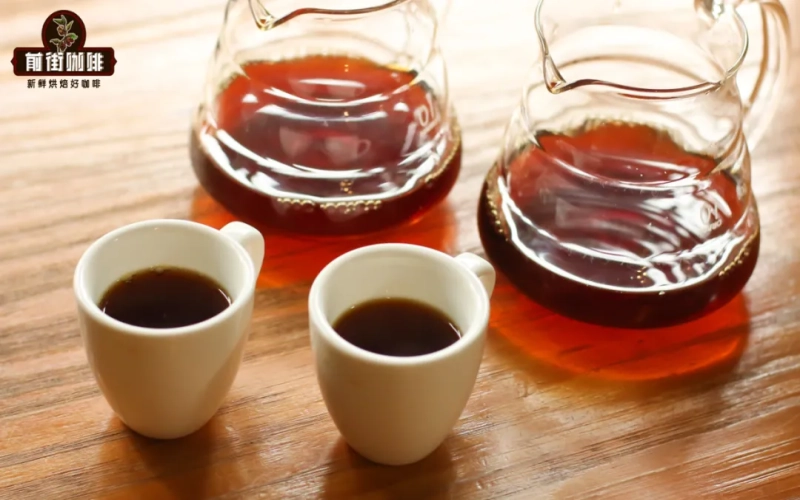
How to tell if coffee is under-extracted or over-extracted? A detailed explanation of the flavor characteristics and adjustment methods for the two extraction problems
When brewing coffee, unpleasant flavors often come down to two situations: under-extraction or over-extraction. Front Street Coffee has found that many beginners can taste that something is off with their coffee but can't pinpoint the problem. This article starts with the definition of the Golden Cup standard, explaining the reference range of an 18%–22% extraction yield, while also pointing out that the Golden Cup is not an absolute standard and that coffee bean quality can affect the results. It then details the three main signs of under-extraction—watery flavor, thin body, and sharp sourness, astringency, and saltiness—as well as the characteristics of over-extraction, such as pronounced bitterness, dryness, and woody off-flavors. Finally, it offers a practical adjustment plan that uses grind size as the variable while keeping water temperature, time, and water amount fixed, helping everyone quickly find the parameters that suit them. [more…]
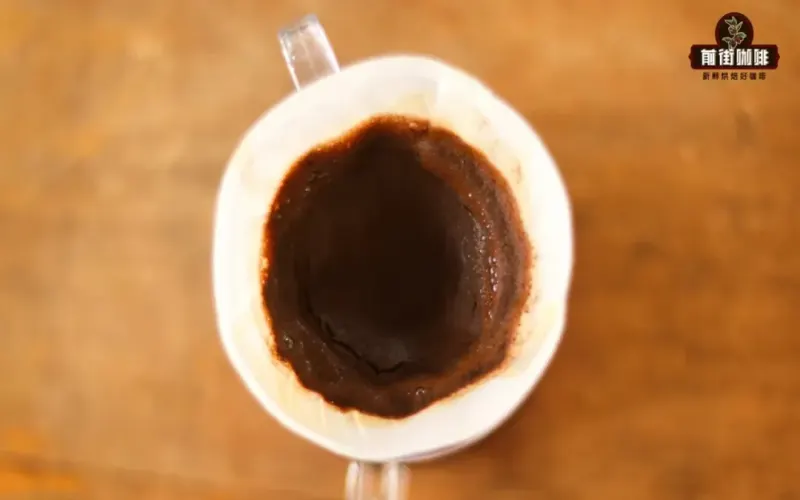
How to Fix Coffee Ground Too Fine for Pour-Over? Muddy Flow Stirring Brewing Method Explained and Practical Parameters Shared
When brewing pour-over coffee, if the filter basket ends up with a thick, muddy bed of grounds instead of distinct, granular particles, it often means the coffee was ground too fine, which easily leads to over-extraction. When faced with the dilemma of pre-ground coffee that cannot be made coarser, besides switching to immersion extraction, there is another distinctive approach using high concentration and low extraction—the mud flow. It uses extremely fine grinding combined with agitation to rapidly dissolve flavor compounds in a short time, then dilutes with hot water, resulting in coffee with a normal extraction yield and full flavor. In this article, Front Street will explain in detail the principles and specific operating parameters of the mud flow, helping you easily tackle the problem of coffee grounds that are too fine. [more…]
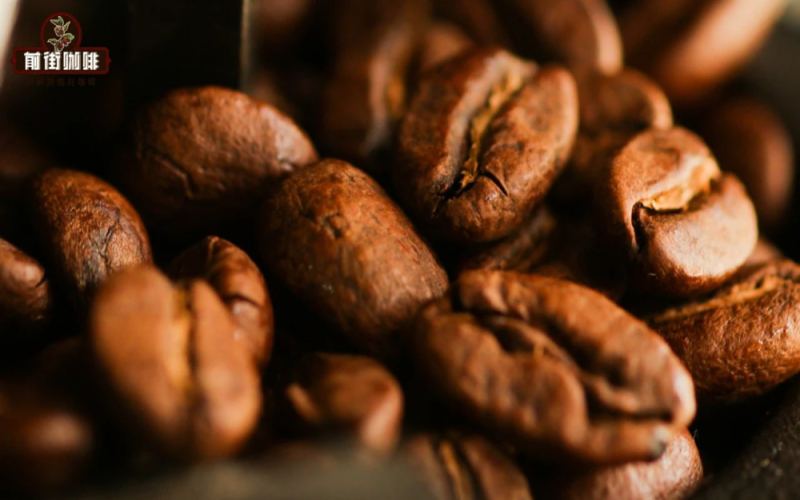
What Makes a Good Espresso? An In-Depth Analysis of Burnt Flavors and How to Fix Them
The flavor expression of espresso depends on the coordinated interplay of various parameters during the extraction process. Coffee beans have a dense structure, so fine grinding and high-pressure water flow are required to extract the ideal flavor in a short time. Baristas need to adjust the grind setting, dose, brew ratio, and extraction time according to the roast level; otherwise, underextraction or overextraction can easily occur. This article systematically sorts out the taste characteristics corresponding to three extraction states, gives the specific performance of ideal espresso in terms of sweetness, balance, layering, and clarity, and recommends two Front Street Coffee blends suitable for making espresso. At the same time, for the common burnt flavor in espresso, it analyzes the causes one by one from five perspectives: extraction time, water temperature setting, coffee bean quality, tamping method, and bean resting period, helping readers find the root of the problem. [more…]
Light Roast Pour-Over Always Pools Water? Understanding the Relationship Between Density, Expansion, and Grind — and How to Fix It
Many coffee enthusiasts encounter a tricky problem when brewing light-roasted beans: near the end of the pour, the water level drops slowly, and a layer of water sits in the dripper that just won't finish draining. If you keep waiting, you risk over-extraction and bitterness; if you don't, you worry the flavor won't be complete. What was once a relaxing pour-over suddenly becomes stressful. In fact, water stalling with light-roasted beans isn't a problem with the beans themselves—it's the combined result of density, expansion, and grind size. This article breaks down the causes of stalling from these three angles and offers three actionable solutions: simply discarding the final phase of the pour, coarsening the grind while using higher temperatures and agitation, and sifting out ultrafines for reuse. Understanding the logic behind it matters more than memorizing parameters—next time you run into stalling, you can judge from the flavor whether adjustment is needed. Front Street Coffee also often advises: taste first, then adjust—don't rush to blame the beans. [more…]
Can Underextracted Pour-Over Coffee Be Rebrewed? A Detailed Explanation of the Four Key Parameters Affecting Flavor
An under-extracted pour-over coffee often has low concentration and bland flavor, leaving people unsure how to fix it. Over-extraction can still be solved by adding water to dilute it, but under-extraction is tricky. Front Street Coffee started from an interesting experiment and actually tested whether pouring some of the brewed coffee back onto the coffee bed for re-extraction is feasible. This article not only verifies the practical effect of this method, but also deeply analyzes the key influence of the four major extraction parameters—water temperature, grind size, ratio, and time—on flavor, helping coffee enthusiasts find a feasible corrective approach when brewing goes wrong, while also reminding everyone: rather than fixing it afterward, it is better to brew it right from the start. [more…]
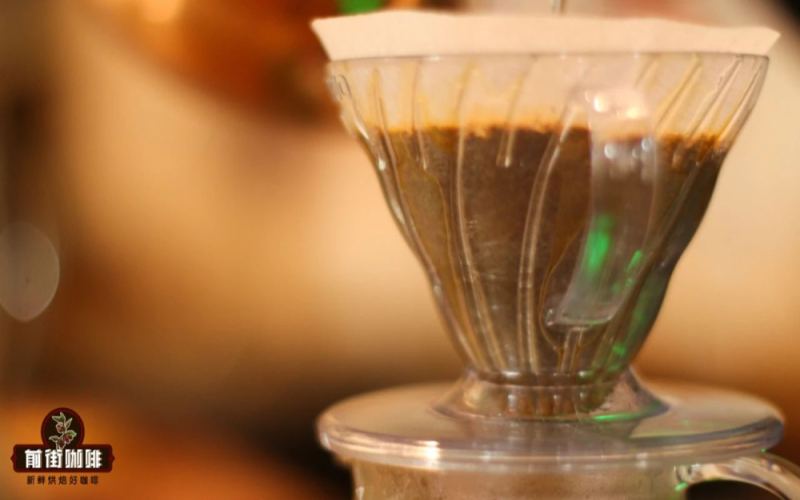
Hand Brew vs. French Press: Flavor Differences Explained — Front Street Yunnan Typica French Press Grind Size Essentials
Pour-over coffee and the French press are two common methods for brewing black coffee. The former offers strong controllability and a clear, layered flavor profile, while the latter is easy to operate and produces a full, heavy mouthfeel. This article revolves around the flavor differences between the two, and uses the specific brewing case of Front Street 2013 Yunnan Typica to explain the coffee grind size, water temperature, and steeping time suitable for the French press. The article also provides detailed parameters: a coffee-to-water ratio of 1:15, 92 degrees Celsius, EK43s-10.5 setting, and a 4-minute steep, and reminds readers that grinding too fine will lead to over-extraction and the problem of grounds passing through the filter mesh, helping coffee enthusiasts consistently reproduce a balanced cup of black coffee at home. [more…]
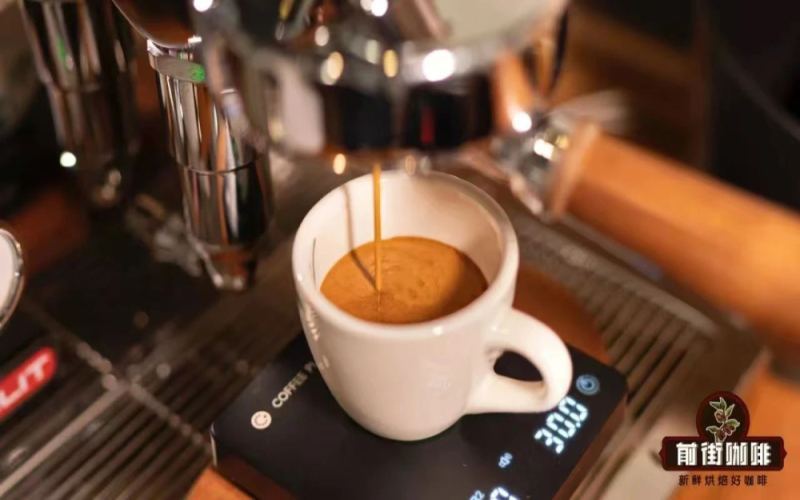
How the Espresso Coffee-to-Water Ratio Affects the Flavor of Lattes and Americanos
For the same coffee beans, the same grind size, and the same dose, how does changing the espresso brew ratio affect the taste of a latte, an Americano, and the espresso itself? Front Street Coffee conducted a comparative test using a Colombian and Brazilian blend, fixing the dose at 20 grams and extracting at three ratios—1:1, 1:1.5, and 1:2—analyzing acidity, sweetness, aftertaste, and the risk of over-extraction, ultimately offering parameter recommendations for different taste preferences and recommending blend options suitable for making espresso. [more…]
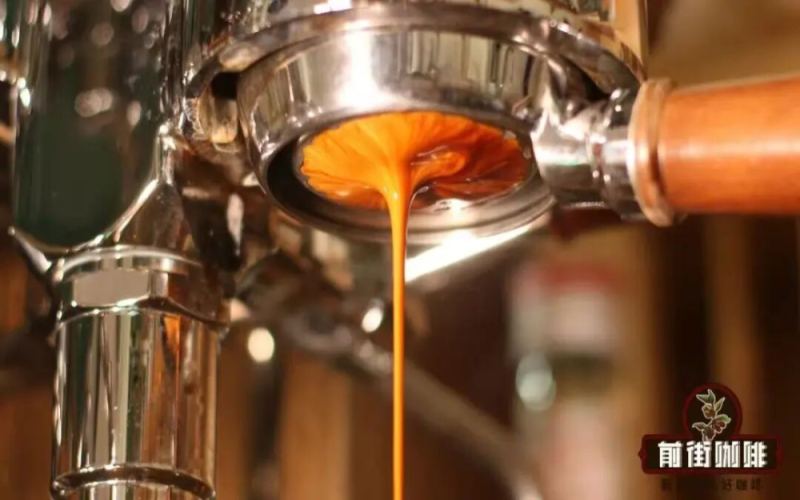
How to Fix Frequent Espresso Spritzing? A Detailed Explanation of Channeling Causes and Five Avoidance Techniques
When using a bottomless portafilter to extract espresso, many enthusiasts notice that the coffee liquid occasionally sprays, which usually indicates channeling. Channeling refers to hot water preferentially passing through the areas of least resistance in the puck during extraction, causing over-extraction in some parts and under-extraction in others, ultimately producing a cup of coffee that is sharply acidic, bitter, and muddled. Although channeling cannot be completely eliminated, standardizing the operating procedure can greatly reduce the probability of it occurring. Starting from Front Street's practical experience, this article systematically analyzes the principles behind channeling and, focusing on five aspects—evenness of distribution, tamping pressure, portafilter locking, dose and grind size, and handling of clumped grounds—provides specific suggestions for improvement to help everyone extract a delicious espresso more consistently. [more…]

How to Fix Under-Extracted Coffee? Detailed Adjustment Methods for Pour-Over, French Press, and Cold Brew Re-Brewing
Brewing a cup of coffee that's sharply sour, weak, and thin-bodied—it's a shame to pour it down the drain, but drinking it is torture. This time, Front Street Coffee won't talk about parameter adjustments, but instead share a practical idea for rescuing a coffee that's already gone wrong: pour the coffee back and re-extract it, boosting the extraction yield to make up for the flavor and strength. The article will address both drip and immersion brewing methods separately, explaining the specific steps, the conditions under which this works, and the cases where it doesn't apply, such as iced brewing and pressure extraction, to help you salvage an under-extracted coffee as much as possible. [more…]
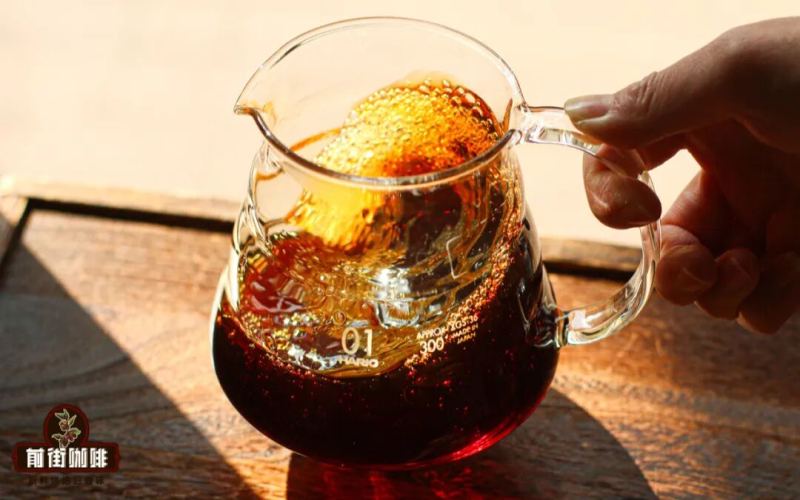
Coffee Extraction | What Are Over-Extraction and Under-Extraction in Pour-Over Coffee? What Are the Signs of Under-Extraction and Over-Extraction in Pour-Over Coffee?
Front Street Coffee has found that many friends always run into this problem when they first start learning coffee brewing: they find that the coffee they brew doesn't taste good, but they can't quite say exactly what's wrong with it. To be honest, if we want to brew a good cup of coffee, besides learning the underlying logic of brewing and mastering the correct extraction parameters, [more…]
A Complete Guide to Common Home Pour-Over Coffee Problems: Fixes for Stalling, Sudden Flow Changes, Off-Flavors, and Burnt Bitterness
Brewing coffee at home—when neither the equipment nor the beans are lacking, yet accidents still happen all too often: the final drawdown pools and drips endlessly, the flow rate suddenly speeds up at the same grind setting, sometimes it tastes great and sometimes it's rife with off-flavors, and the aftertaste carries a smoky, bitter char... Where exactly do these problems originate? Drawing on Front Street's hands-on experience, this article breaks down one by one the five most common extraction pitfalls in home brewing—from fine-particle clogging, the characteristics of anaerobic beans, and the effects of water quality to pouring technique and dark-roast parameter settings—to help you pinpoint the root cause and bring every pour-over cup closer to the ideal flavor. [more…]
How to Determine the Espresso Grind Setting? A Quick Adjustment Approach from Under-Extraction to Over-Extraction
Every morning, the first hurdle a barista faces is often not latte art, but getting the taste of espresso back on track. Coffee bean conditions and weather are constantly changing, and extraction results fluctuate accordingly. How can you find the right grind setting using the fewest beans and the shortest time? This article starts from taste, first determining whether the espresso is under-extracted or over-extracted, then uses a 1:2 coffee-to-water ratio and an extraction time of about 30 seconds as the baseline framework, correcting flavor through fine adjustments to the grind size. The article also uses Front Street Classic Blend as an example to fully demonstrate the three-step dialing process—from 23 seconds of sharp acidity to 31 seconds of balance, then fine-tuning the yield to finish—helping readers build a reusable debugging logic. [more…]

A Complete Guide to Espresso Extraction Parameters: A Practical Guide to Dose, Ratio, Time, and Grind Size
To make a well-balanced espresso at home, relying on a fixed recipe alone is far from enough. Different coffee machines, different bean conditions, and even daily climate changes can all cause variations in the extraction result. This article systematically explains how to customize suitable espresso parameters for the blend beans you have on hand, from six dimensions: dose, brew ratio, extraction time, flow rate, pressure, and water temperature. At the same time, for the common problems of overly fast or overly slow flow, it provides troubleshooting adjustment ideas one by one, and introduces how to calculate the extraction yield through concentration testing to determine whether it falls within the golden cup range. The article recommends two espresso beans suitable for beginners to practice with—Front Street Classic Blend and Front Street Strawberry Candy Espresso—to help you find the ideal flavor faster through practice. [more…]
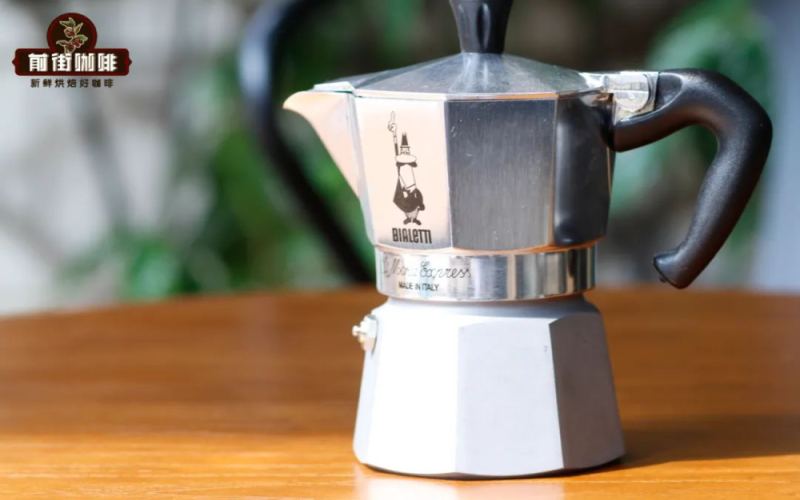
How to Fix Bitter and Astringent Coffee from a Moka Pot? A Complete Guide from Bean Selection to Operation
Since its invention by Italian Alfonso Bialetti in 1933, the moka pot has remained a classic device for brewing rich coffee in European households. However, many people encounter the problem of bitter and astringent coffee when using it, which is often closely related to the operating method, coffee bean selection, and grind size. This article will systematically explain the moka pot's structural principles, bean selection recommendations, detailed operating steps, and solutions to common problems, helping you easily extract moka pot coffee with abundant oils and a mellow taste. Whether you are a beginner just starting out or an enthusiast looking to improve extraction quality, you will find practical guidance here. [more…]